
Key Takeaway
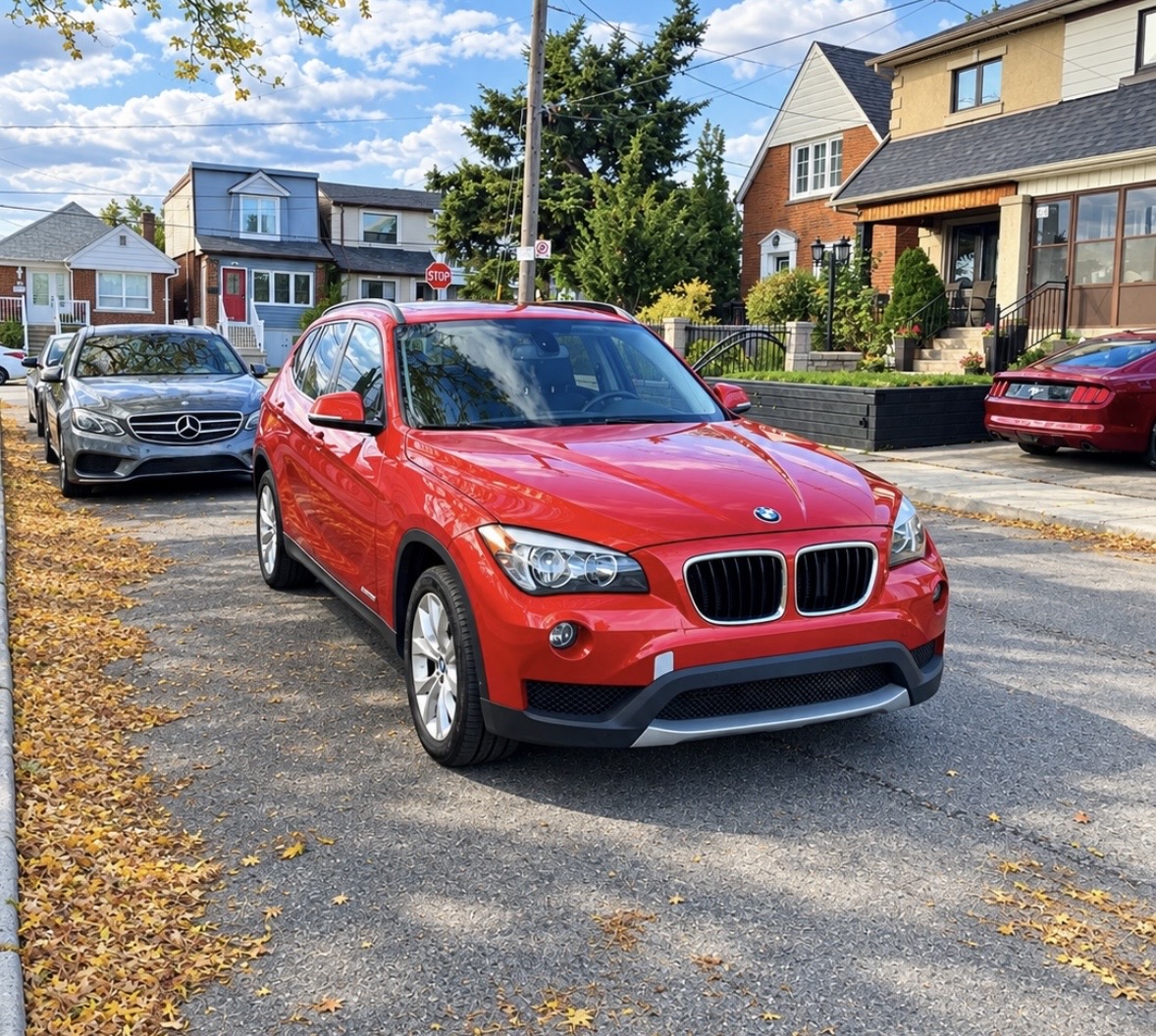
If you already plan to sell, the fall is usually a better time than the middle of winter. Your car is cleaner, easier to inspect and hasn’t been through another season of salt and cold. Waiting until spring rarely pays off, because the car keeps aging and adding kilometres while you wait.
Why Timing Matters More in Ontario Than You Think
Most people decide when to sell based on their own schedule. A new car is coming, a lease is ending, or the old car just isn’t needed anymore.
But in Ontario, the season also plays a role. Winter here is hard on vehicles. Salt, slush, potholes and freezing temperatures all add wear that buyers look for.
A car sold in October and the same car sold in March are not quite the same car. The March version has been through four or five more months of winter driving.
What Winter Does to Your Car’s Value
Buyers don’t lower offers because it’s winter. They lower offers because of what winter leaves behind.
The most common issues buyers check for after a GTA winter:
- Rust and corrosion. Road salt speeds up rust on the underbody, brake lines, wheel wells and rocker panels. Rust is one of the hardest things to fix cheaply. (See: Can You Sell a Car With Body Damage or Rust in Ontario?)
- Battery and starting problems. Cold weather exposes a weak battery fast. A car that struggles to start makes buyers nervous about everything else.
- Suspension and tire damage. Potholes after freeze-thaw cycles can knock out alignment and damage tires, rims and suspension parts.
- Paint chips and windshield cracks. Gravel and salt trucks leave marks that add up over a season.
- More kilometres. Every month you keep the car adds mileage, and mileage is one of the first things buyers look at.
None of these make a car impossible to sell. But each one gives a buyer a reason to price in more risk.
Is Fall a Good Time to Sell a Car in Ontario?
For most sellers, yes. Fall gives you a few advantages that disappear once the snow arrives.
Your car is easier to evaluate. A clean, dry car in good light is easy to inspect. In January, a car covered in salt and slush hides its condition. When buyers can’t see clearly, they assume the worst and offer less. We explain this in more detail in How Car Buyers Actually Price Your Vehicle.
Demand for practical cars picks up. As winter approaches, many people start looking for reliable daily drivers, SUVs and all-wheel-drive vehicles. If your car fits that description, fall is a strong time to sell.
You avoid winter costs on a car you’re getting rid of. Winter tires, a new battery, extra insurance and repairs after a rough winter all cost money. If you’re selling anyway, there’s no reason to spend it.
Selling is simply easier. Meeting buyers, test drives and inspections are easier on a dry October afternoon than in a February snowstorm.
When Waiting Until Spring Might Make Sense
Selling before winter isn’t the right move for every car or every seller.
Waiting can make sense if:
- you have a convertible, sports car or summer-only vehicle that you store indoors over winter
- the car will sit in a garage and add almost no kilometres
- you still need the car to get through the winter and don’t have a replacement yet
But if the car is your daily driver and will be on salted roads until April, waiting usually works against you. It keeps losing value every month, and it takes on winter wear on top of that.
What About High Mileage or Older Cars?
This is where selling before winter matters most.
An older or high mileage car is already close to the point where one expensive repair can outweigh its value. Winter is often when that repair shows up: a failed battery, a seized brake caliper, a rusted exhaust or a suspension part that finally gives out.
Selling before that happens means you get paid for the car as it is today, not after winter adds another problem. High mileage cars still sell well in the GTA. Read more in Why High Mileage Cars Still Sell and Selling a High Mileage Car in the GTA: What to Expect.
Should You Fix Anything Before Selling This Fall?
Usually, no.
It’s tempting to put on new tires, replace the battery or fix a warning light before selling. But buyers rarely give you back what you spend. If a repair costs $800, it probably won’t add $800 to your offer.
The exceptions are small, cheap things that remove doubt, like a proper wash, a clean interior and having your service records ready. For a full breakdown, see Should You Fix Your Car Before Selling It in Ontario? and How Much Do Repairs Actually Affect Your Car’s Value?
How to Sell Your Car Before Winter in the GTA
If you’ve decided to sell this fall, here’s a simple plan:
- Clean it inside and out. Remove personal items and wash off any early road grime.
- Gather your paperwork. Ownership, service records and any loan details if you still owe money on the car.
- Be upfront about issues. Clear information about condition gets you faster, more confident offers.
- Get a real offer first. A real number shows you where your car stands today, before winter changes anything.
- Compare before you decide. Different buyers value the same car very differently. Here’s why some car buyers pay more than others.
Sell Your Car This Fall With VendaCar
If you’re thinking about selling before winter, the easiest first step is to see what your car is worth right now.
VendaCar gives drivers across Toronto and the GTA an instant offer based on the car’s real condition, demand and usability. There’s no private listing, no strangers at your door and no dealership pressure. We serve Toronto, Mississauga, Brampton, Vaughan, Markham and more.
Get your instant offer before winter hits →