
A Simple, Honest Breakdown
Your car’s value in Ontario is shaped by a mix of data, condition, demand, and transparency. Mileage, accident history, maintenance records, time of year, and even your location in the GTA all play a role. Understanding these factors helps you get a fair, predictable offer — especially when selling online.
Understanding How Value Is Determined
When you’re getting ready to sell your car in Ontario, the first thing to understand is that every buyer — whether private, dealership, or online — evaluates your vehicle using a set of predictable factors. These include condition, mileage, accident history, demand, and maintenance records.
That’s why two similar cars can have very different values. The details matter, and buyers rely on clear indicators to decide what a vehicle is worth.
But when it comes time to sell, the market doesn’t see memories.
It sees data.
Understanding how your car’s value is determined in Ontario gives you confidence. It removes the mystery behind pricing and helps you know when an offer is fair — and when it isn’t.
This guide breaks everything down clearly, simply, and honestly.
1. Mileage: The First Thing Every Buyer Looks At
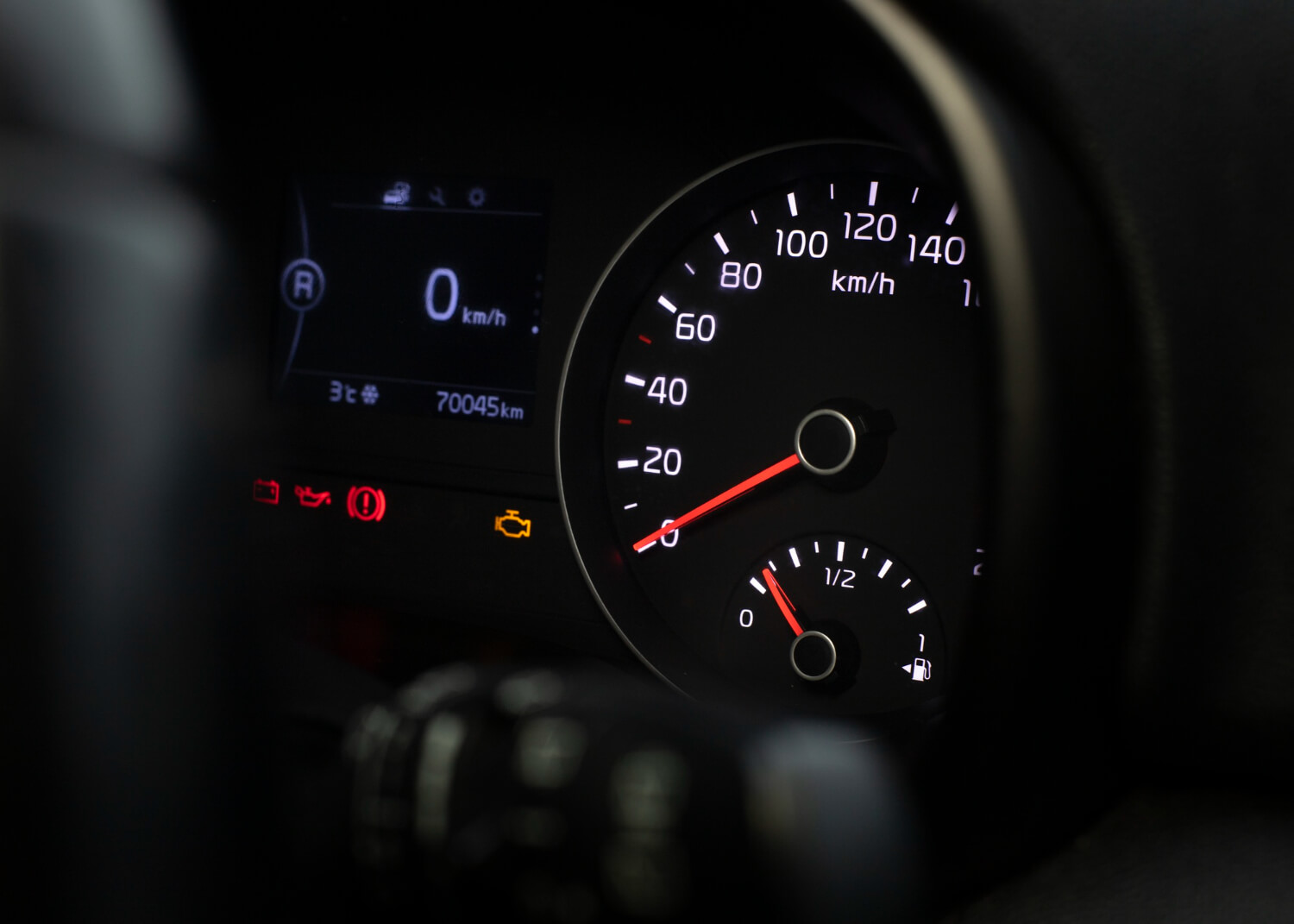
Mileage is the single biggest predictor of value.
In Ontario, average annual mileage is about 20,000 km, and buyers expect cars to fall near that trendline.
Higher mileage = lower value.
Why? Because mileage signals future costs:
- Brake replacements
- Suspension wear
- Engine fatigue
- Transmission lifespan
Mileage sweet spots that impact pricing:
- Under 80,000 km: Premium value
- 80,000–150,000 km: Normal range
- 150,000–250,000 km: Moderate depreciation
- 250,000+ km: Limited market demand
Mileage doesn’t tell the whole story, but it does set the starting point.
2. Accident & Damage History
Ontario buyers increasingly rely on CarFax reports.
One major accident doesn’t always kill a sale — but it does affect price.
Accident impact varies based on:
- Severity of damage
- Quality of repair
- Number of incidents
- Whether airbags deployed
- Frame damage (biggest depreciation factor)
A minor fender-bender? Barely affects value.
Major structural damage? Buyers expect a meaningful discount.
Good news:
Being transparent upfront often leads to a smoother sale and a more accurate offer. Hidden damage backfires every time.
3. Vehicle Age & Model Popularity
Age obviously affects value — but what you’re driving matters just as much as how old it is.
Some cars hold value incredibly well in Ontario:
- Toyota Corolla & Camry
- Honda Civic & CR-V
- Toyota RAV4
- Mazda3
- Subaru models
Why?
Because Ontario buyers love reliability, affordable maintenance, and strong winter performance.
Cars that typically depreciate faster include:
- Large luxury sedans
- High-end European brands with expensive repairs
- Niche or low-demand models
- Cars with discontinued parts availability
Age matters — but popularity and long-term reliability matter more.
4. Mechanical Condition (The Part You Can’t Hide)
Even with clean cosmetics, mechanical issues have the biggest impact on value.
Examples of mechanical problems that reduce offers:
- Engine warning lights
- Transmission slipping
- Suspension noises
- Failing brakes
- Rusted underbody (common in Ontario winters)
Mechanical uncertainty scares buyers. Nobody wants an unexpected $2,500 repair two weeks after purchasing a car.
If your car runs smoothly and has recent maintenance, buyers will pay more — period.
5. Interior & Exterior Condition
A clean, well-maintained car sells for more.
This is one of the most underrated value drivers.
Exterior issues that reduce value:
- Scratches
- Dents
- Rust spots
- Cracked windshields
- Faded paint
Interior issues buyers notice immediately:
- Odours
- Tears in upholstery
- Stains
- Worn seats
- Broken buttons or electronics
You don’t need a flawless car — but cleanliness boosts perceived value instantly.
Tip:
A $60 interior detail often adds $200–$400 to an offer.
6. Service Records (One of the Biggest Trust Builders)
In Ontario, buyers LOVE documentation.
A simple folder of receipts can do wonders for a vehicle’s value.
Maintenance records prove that you:
- Changed the oil regularly
- Replaced brakes on time
- Fixed issues promptly
- Maintained the car responsibly
This level of transparency increases confidence and reduces buyer hesitation — which improves your offer.
7. Time of Year (Seasonal Demand Is Real)
Timing affects value more than most people think.
Seasonal pricing patterns in Ontario:
Spring / Summer:
- Highest prices of the year
- Tax return season (buyers have cash)
- Great time to sell convertibles, sports cars, and motorcycles
Fall:
- Stable demand
- Families buying back-to-school vehicles
Winter:
- Lower prices, except for SUVs
- Cold weather reduces shopping activity
- Perfect time to sell AWD and winter-ready vehicles
If you’re selling a sedan in January, expect a different valuation than selling the same car in May.
8. Location Within Ontario (Yes, It Matters)
Cars in the GTA often sell for different values than cars in rural or northern regions.
Higher values in:
- Toronto
- Mississauga
- Vaughan
- Oakville
- Markham
- Brampton
Why?
Larger buyer pool + higher demand.
Lower values in:
- Small towns
- Less dense regions
- Areas with limited market activity
Online buyers like VendaCar even out these differences — but location still influences the base market data.
Comparison Table: What Affects Car Value the Most?
Here’s a simple breakdown showing which factors have the greatest impact:
| Factor | Impact on Value | Why It Matters |
|---|---|---|
| Mileage | Very High | Predicts long-term mechanical wear |
| Accident History | High | Affects safety + buyer confidence |
| Mechanical Condition | Very High | Repairs are expensive |
| Service Records | Moderate–High | Boosts trust and transparency |
| Interior/Exterior Condition | Moderate | Influences perception + resale |
| Vehicle Age & Popularity | High | Some models hold value better |
| Seasonality | Moderate | Demand shifts throughout year |
| Location in Ontario | Low–Moderate | Affects buyer pool and pricing trends |
How to Get a Fair, Accurate Valuation in Ontario
The key is transparency.
The more accurate your information, the more accurate (and favourable) your offer will be.
When you sell online with VendaCar, your offer reflects:
- Live market data
- GTA demand trends
- Historical sales
- Condition and mileage
- Brand reliability
- Your vehicle’s full description
No guesswork. No lowballing. No dealership pressure.
The Bottom Line
Your car’s value in Ontario isn’t determined by one thing — it’s a combination of data, demand, condition, and timing.
When you understand these factors, you also understand what a fair offer truly looks like.
Mileage matters.
Condition matters.
Transparency matters.
But most of all — a data-driven valuation matters.
That’s exactly what VendaCar delivers.