
Key Takeaway
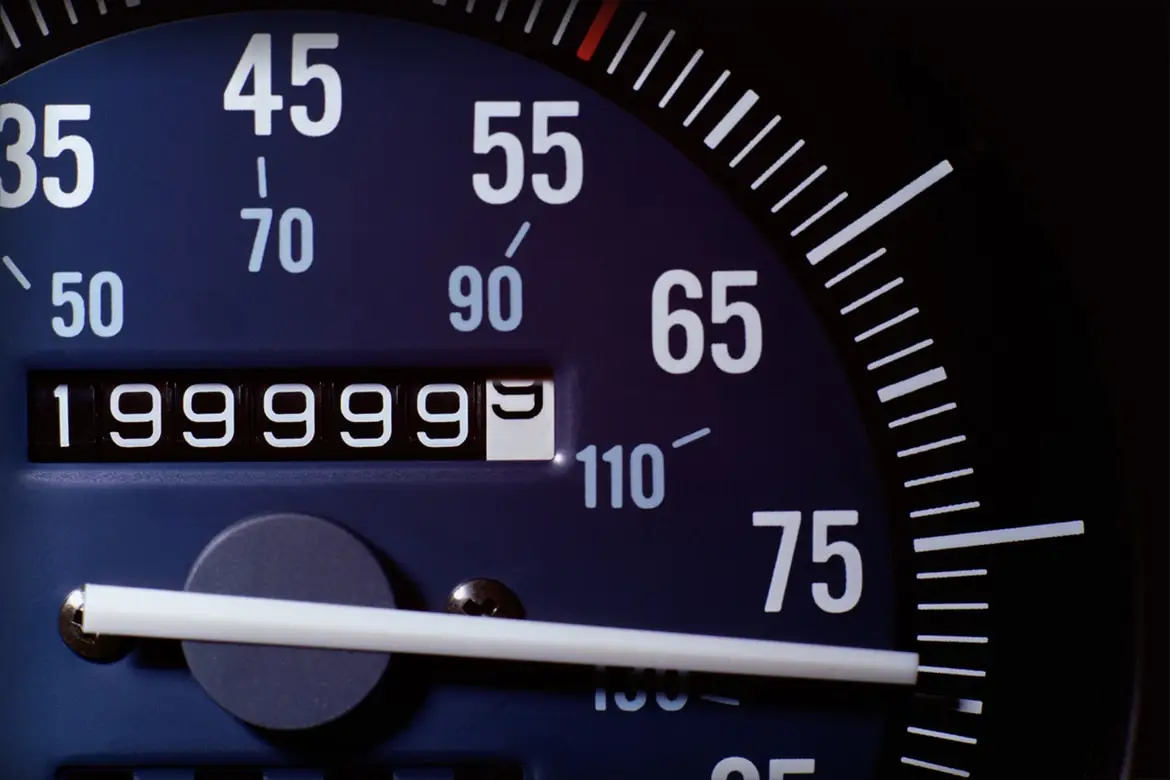
If your car has between 140,000 and 220,000 kilometres, it’s still very much in the market. In the GTA especially, these vehicles are common, actively bought, and in many cases undervalued by the wrong buyers.
Why High Mileage Doesn’t Mean You’re Out of Options
If your car is creeping past 150,000 kilometres, it’s easy to assume you’ve missed your window to sell it properly.
A lot of people in Toronto and across the GTA hit that point and think the same thing: the mileage is too high, the value is gone, and whatever offer comes in is probably the best they’ll get.
That’s usually not true.
High mileage cars aren’t some fringe category. They make up a large portion of what’s actually being driven, owned, and resold across Ontario. The difference isn’t whether your car has high kilometres. It’s how that mileage is being interpreted by whoever is making the offer.
What “High Mileage” Really Means in Canada
In a market like the GTA, where daily driving is the norm and long commutes are common, vehicles accumulate kilometres faster than people expect.
Once a car moves past the 140,000 km mark, it starts to fall into what most buyers would consider higher mileage. By the time it reaches 180,000 to 220,000 km, it’s firmly in that category. Still, that doesn’t mean it’s near the end of its life, and it definitely doesn’t mean it has no value.
A 2016 or 2017 vehicle with 180,000 kilometres on it is completely normal in this market. These aren’t worn-out cars sitting at the edge of usefulness. They’re still being driven every day.
The Types of Cars That Actually Sit in This Range
When you look at real vehicles moving through the GTA market, a pattern shows up pretty quickly.
It’s not exotic cars or edge cases. It’s everyday vehicles. The ones people rely on.
Volkswagen, Nissan, Chevrolet, Mazda, and Hyundai show up constantly. Models like the Jetta, Cruze, Mazda 3, Elantra, Rogue, and Tiguan are everywhere in that 150,000 to 200,000 kilometre range. Most of them fall between 2012 and 2020, which is exactly where a large portion of today’s used inventory sits.
In other words, if you’re driving one of these cars with higher kilometres, you’re not outside the market. You are the market.
Why Kilometres Alone Don’t Decide the Value
Mileage is one of the first things people look at, but it’s rarely the deciding factor.
A well-maintained car with 200,000 kilometres can easily be more valuable than a poorly maintained one with far less. Buyers pay attention to how a car feels, how it runs, and how it’s been looked after. A clean interior, consistent maintenance, and a smooth drive go a long way.
There’s also a big difference between highway and city driving. A car that’s spent most of its life on the highway tends to have less wear on key components than one that’s been stuck in stop-and-go traffic for years. In the GTA, a lot of vehicles fall into that highway category, which works in the seller’s favour.
Then there’s the vehicle itself. Some models are known to hold up. A Mazda 3, Honda Civic, Volkswagen Jetta, or Hyundai Elantra with higher kilometres doesn’t raise the same concerns as other vehicles might. These cars are expected to last longer, and buyers know that.
Where Things Go Sideways for Sellers
The biggest mistake people make isn’t the mileage. It’s assuming that all buyers look at that mileage the same way.
They don’t.
Some buyers are built around newer inventory. Once a car crosses a certain threshold, the value drops sharply in their system. In some cases, they won’t even want it. Others will still make an offer, but it’s heavily discounted because the car doesn’t fit what they’re trying to resell.
Then there are buyers who are far more comfortable in this space. They understand which cars still perform well at higher kilometres. They know what holds value and what doesn’t. They’re not trying to avoid these vehicles. They’re actively buying them.
That gap in how cars are evaluated is where sellers either lose money or come out ahead.
What This Looks Like in Real Life
These aren’t hypothetical situations.
A 2016 Mazda 3 sitting around 170,000 kilometres is a very normal car in today’s market. A 2017 Tiguan at 200,000 kilometres isn’t unusual. A 2018 Ram pushing past 210,000 kilometres is something you’ll see regularly, especially with highway driving.
You’ll also see Rogues, Cruzes, and Jettas consistently landing in that 160,000 to 200,000 kilometre range. These are everyday vehicles, owned by everyday drivers, being sold every day.
So, Is It Still Worth Selling?
Yes — and more than most people think.
If your car is still running well and hasn’t been neglected, there is still real demand for it in Toronto and across the GTA. The market for these vehicles is active. The only thing that really changes is how that value is measured.
Mileage doesn’t kill the value. It just narrows the field of buyers.
And when you land with the right one, the difference in offer can be significant.
If You’re Thinking About Selling
The worst move is assuming your car isn’t worth much and taking the first number you see.
The better move is to understand that high kilometre vehicles are part of the core market here, not the leftovers.
If you’re in that 140,000 to 220,000+ km range, it’s worth getting a real offer and seeing how it compares. A lot of the time, the number is higher than expected — especially when the car is being evaluated properly.