
Key Takeaway
Both age and kilometres affect your car’s value, but they don’t carry equal weight. In many cases, a newer car with higher kilometres will outperform an older car with lower mileage, especially in the 2012 to 2020 range where demand is still strong.
Why This Question Comes Up So Often
If you’re thinking about selling your car, you’ve probably had this thought at some point:
Is it better to have a newer car with more kilometres, or an older one with less?
It’s a fair question, and it comes up all the time — especially once your car starts moving past that 140,000 km mark.
At first glance, lower kilometres seem like the obvious advantage. But once you look at how cars are actually bought and sold across Ontario, the answer isn’t that simple.
Why Newer Cars With Higher Kilometres Often Win
A car’s model year carries more weight than most people expect.
A 2016 or 2017 vehicle still feels modern. It fits current expectations, both in terms of features and overall usability. Even with higher kilometres, it still looks like something buyers want to drive.
Compare that to a much older vehicle with lower mileage.
Even if the kilometres are lower, the car can feel outdated. Technology, styling, and overall perception all play a role in how buyers evaluate it.
That’s why a newer vehicle with 180,000 km will often outperform an older one with 120,000 km.
Where Kilometres Still Matter
That doesn’t mean mileage is irrelevant.
As kilometres climb, buyers start to think more about wear and future maintenance. The difference is that mileage doesn’t work in isolation.
A car at 160,000 km that’s been maintained properly, runs smoothly, and presents well will still be seen as a strong option.
Once you get deeper into the 200,000+ km range, the buyer pool becomes more selective, but it doesn’t disappear — especially for the right vehicles.
Why the 2012 to 2020 Range Sits in a Sweet Spot
This is where age and kilometres intersect in a really important way.
Cars from 2012 to 2020 make up a huge portion of what’s currently being sold across the GTA. They’re not new, but they’re not outdated either.
They still:
- meet modern expectations
- have strong demand
- and continue to perform well
At the same time, many of these vehicles have naturally reached higher kilometre ranges.
That combination creates a situation where:
- the age supports the value
- even when the kilometres are higher
This is exactly why these cars continue to move consistently in the market.
Real Examples of How This Plays Out
Take two different scenarios.
A 2016 Mazda 3 with around 170,000 km.
A 2010 sedan with only 120,000 km.
On paper, the second car looks better because of the lower mileage.
In reality, the newer vehicle is usually more appealing. It feels more current, aligns better with what buyers are looking for, and fits more easily into today’s resale market.
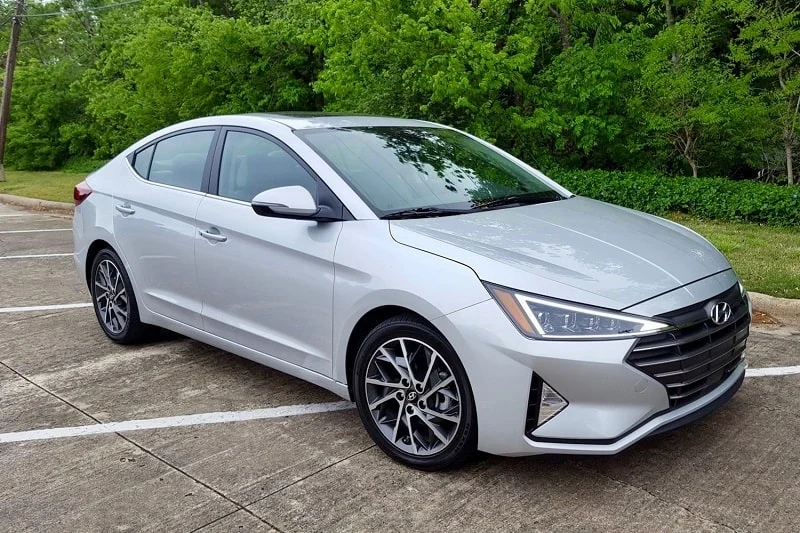
You see the same thing with vehicles like the Volkswagen Jetta, Hyundai Elantra, Chevy Cruze, and Nissan Rogue. Many of them sit in that 150,000 to 200,000 km range and still perform well because of their age and reliability.
Where Buyers See It Differently
Not every buyer evaluates this the same way.
Some lean heavily on mileage and reduce value quickly once a car crosses certain thresholds.
Others take a more balanced view. They look at the full picture — year, condition, model, and demand — and price accordingly.
This difference becomes more noticeable in that 2012 to 2020 range, where the car still fits what people want, even if the kilometres are higher.What This Means for You as a Seller
If your car is newer but has higher kilometres, you’re not at a disadvantage in the way most people think.
You’re still in a strong position — especially if the car has been maintained and presents well.
The key is understanding that your car isn’t being judged on one number. It’s being evaluated as a whole.
So, What Matters More?
If you had to choose one, age usually carries more weight.
A newer vehicle with higher kilometres tends to hold up better in the market than an older one with lower mileage.
That doesn’t mean kilometres don’t matter. It just means they need to be looked at in context.
If You’re Thinking About Selling
If your car falls into that 2012 to 2020 range and has higher kilometres, you’re right where a lot of the market is.
The best thing you can do is get a real sense of how it’s being valued and compare your options.
Once you do that, the balance between age and kilometres becomes much clearer. Start by getting an instant offer from VendaCar